
Anger Management:
Take Control of Anger Before It Controls You

Therapist and client sitting down talking

Struggling with anger issues doesn’t mean you’re a bad person. Learn proven anger management techniques to help you control anger, express your anger in healthy ways, and improve your life and relationships. Get help for anger issues from compassionate professionals who understand.

Recognizing Anger Issues: When to Seek Help with Anger

Anger is a normal, healthy emotion that everyone experiences. But when anger becomes chronic, gets out of control, or causes harm to yourself or others, it’s time to seek support. Here are signs that anger management could help you.

Common Signs You Might Benefit from Anger Management

When you get angry, does it feel like zero to sixty in seconds? Maybe small frustrations trigger intense reactions that surprise even you. Perhaps you feel angry and immediately have an outburst before you can even think about what’s happening. This pattern of anger escalating rapidly is a common sign that anger management could help. Learning to recognize when you’re angry early in the process, before emotions become overwhelming, is one of the key anger management techniques. Through anger management, you’ll develop new skills to pause between feeling angry and reacting, giving you time to choose a response rather than being controlled by the emotion.
Do you say things in anger that you later wish you could take back? Maybe you yell at people you love, throw things, slam doors, or engage in other behaviors that damage relationships and leave you feeling ashamed. Anger isn’t always expressed in healthy ways, and many people learned as a child to handle anger through aggression or other destructive patterns. The goal of anger management isn’t to eliminate anger, it’s to help you express your anger in ways that communicate your needs without hurting others. You’ll learn techniques to help you stay in touch with your feelings while expressing them constructively, allowing you to address problems without the regret that follows an angry outburst.
When anger can take a toll on your closest relationships, the people you care about most may start walking on eggshells around you. A friend or loved one might have expressed concern about your temper, or perhaps people have distanced themselves from you. Chronic anger creates an environment of tension and fear, even if you never intend to hurt anyone. Anger management helps you understand how your anger affects others and teaches you new techniques for managing conflict in relationships. You’ll develop skills for communicating anger appropriately and resolving disagreements without damaging the bonds that matter most.
Has anger caused problems at work, gotten you in trouble, or prevented you from achieving your goals? Maybe you’ve lost jobs due to conflicts with coworkers, or perhaps your reputation suffers because people see you as hostile or difficult. When an anger problem interferes with your professional life or daily functioning, it’s a clear sign that coping with anger needs attention. Through an anger management program, you’ll learn to control anger issues in professional settings, manage workplace stress, and interact with colleagues more effectively. These skills help you feel more in control of your emotions and better prepared to handle challenging situations without letting anger derail your success.
Not all anger expressions look aggressive. Some people suppress their anger or turn it inward, leading to depression, passive-aggressive behavior, or physical symptoms. Maybe you were taught to never show anger, so you stuff it down until it comes out sideways in sarcasm, silent treatment, or self-destructive behaviors. Or perhaps you’re prone to anger but afraid of it, so you avoid conflicts entirely and let resentment build. Learning to express your anger healthily means finding the middle ground between suppression and explosion. Anger management teaches that anger or aggression don’t have to be your only options, you can learn to acknowledge and communicate angry feelings assertively without either bottling them up or letting them control you.
When you’re angry, do you experience racing heartbeat, muscle tension, headaches, stomach problems, or other physical symptoms? Chronic anger can take a toll on your physical well-being, contributing to high blood pressure, heart disease, weakened immune system, and other health issues. Sometimes an underlying health problem can also contribute to irritability and anger. Anger management helps you develop relaxation techniques and new skills for calming your body’s stress response. You’ll learn to breathe deeply, use relaxation to counter anger’s physical effects, and recognize early warning signs in your body before anger fully takes hold. These practices benefit both your emotional and physical health.

Less Obvious Signs That Anger Management Can Help

Sometimes anger doesn’t look like explosive rage. Instead, it shows up as constant irritation, impatience, or a short fuse with everyone around you. If little things bother you intensely, or if you feel like you’re always annoyed, this low-grade chronic anger is taking up space in your life. Managing your anger includes learning to identify your triggers, understand what’s really bothering you beneath the irritation, and develop healthier responses. You don’t have to live in a constant state of frustration, anger management can help you feel calmer and more at peace in your daily life.
If multiple people in your life have suggested you might have anger issues, it’s worth taking seriously even if you don’t see it that way yourself. Sometimes angry people don’t realize how their behavior affects others, or they justify their reactions as reasonable responses to frustrating situations. An outside perspective can be valuable. If people who care about you are expressing concern, consider that they might be seeing something you can’t from inside the situation. Anger management provides objective feedback about your anger expression and helps you understand how others experience your behavior.
For some people, especially those who learned certain emotional expressions were unacceptable, anger becomes a default emotion that covers up vulnerability. Maybe beneath anger are feelings of hurt, fear, sadness, or shame that feel too difficult to acknowledge. This pattern of anger masking other emotions is common, particularly for people who grew up in environments where showing vulnerability wasn’t safe. Through therapy that teaches emotional awareness, you’ll learn to get more in touch with your feelings and understand what’s really driving your anger. This deeper self-awareness helps you address the actual issue rather than just managing the anger symptoms.
If it feels like anger happens to you rather than something you choose, if you feel powerless against your own emotions, you’re not alone. Many people feel controlled by anger rather than in control of their emotions. The good news is that with proper support and anger management techniques, you can learn to control your emotional responses. Anger before it controls you means developing awareness of your triggers, recognizing early warning signs, and implementing strategies before emotions become overwhelming. This sense of mastery over your reactions is one of the most empowering outcomes of anger management work.

Remember: Seeking help for anger issues is a sign of strength, not weakness.

Anger is a normal emotion, but how we handle it makes all the difference. If your anger is causing problems in your life, relationships, or health, anger management can help you develop healthier patterns.
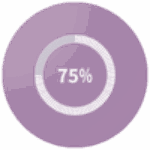
75 percent Icon showing percent graph with the number 75

75% of participants

who complete anger management therapy report significant reduction in angry outbursts and improved relationships
Evidence Based Icon

Evidence-based

We use scientifically-supported approaches including CBT, DBT skills training, and emotion regulation techniques
Calendar icon purple circle showing white calendar

8-12 sessions

is typically enough to learn practical anger management skills and see meaningful improvement in daily life

Understanding Anger Management:
What It Is and How It Works

Anger management isn’t about suppressing or eliminating anger, it’s about learning to recognize, understand, and express it in healthy, constructive ways. As the American Psychological Association explains, anger is a normal and even healthy emotion when expressed appropriately. The problem isn’t anger itself, it’s when anger becomes excessive, gets out of control, or is expressed in ways that harm yourself or others. Through an anger management program, you’ll learn how to control your responses, communicate effectively, and handle situations that typically trigger intense reactions.

Anger management typically involves a form of therapy, often using cognitive behavioral therapy approaches, that teaches you to identify the thoughts, situations, and physical sensations that precede anger. You’ll learn to identify your triggers, those specific situations, words, or circumstances that make your anger flare. Understanding these patterns is the first step toward gaining control.

Techniques that Work Icon Fist popping up through gear with checkmark

Anger Management Techniques That Really Work

Effective anger management techniques include deep breathing exercises to calm your nervous system, relaxation techniques to reduce physical tension, and cognitive strategies for changing the way you think about frustrating situations.

You’ll learn to use humor to help defuse tension, practice assertiveness to communicate needs directly, and develop problem-solving skills to address issues constructively. Physical activity also helps manage anger by releasing tension and improving mood. These techniques to help you respond rather than react become automatic with practice.

Anger Scale Icon showing anger emoji on one side and fire emoji on the other

When Anger Is Justified Versus When It’s Problematic

Anger isn’t always inappropriate. Sometimes anger is justified when you’re facing injustice, boundary violations, or genuine threats. The question isn’t whether you should feel angry, but how you handle it. Even when anger is completely reasonable, expressing it through aggression, violence, or cruelty is never okay.

Anger management helps you distinguish between the feeling (which may be valid) and the response (which needs to be controlled). You’ll learn to honor your emotions while choosing behaviors that protect both yourself and others without hurting others in the process.
Emotion Cycle icon showing anger, sadness and love emojis in a circle

The Connection Between Anger and Other Emotions

Many people discover through anger management that they also feel anxious, depressed, or stressed, and that anger is sometimes a secondary emotion covering these more vulnerable feelings. Understanding this connection helps you address the root cause rather than just the anger symptoms.

If you suppress your anger consistently, it might emerge as depression or physical symptoms. Learning healthy anger expression creates space for all your emotions, improving your overall emotional health and helping you understand what you truly need.

The therapy sessions focus on developing new skills including relaxation skills, communication techniques, problem-solving strategies, and ways to change your thinking patterns. These anger management tips become tools you use whenever you feel yourself getting angry, helping you respond thoughtfully rather than react impulsively.

Some people benefit from anger management classes, which may be offered in group settings where participants learn together and share experiences. Group anger management classes provide the advantage of learning from others’ situations and realizing you’re not alone in struggling with anger. Others prefer individual therapy sessions where the approach is customized to their specific needs and circumstances.

Both formats teach anger management effectively, the right choice depends on your preferences and what you’re comfortable with. Whether individual or group, the core principles remain the same: understanding your anger, developing healthier coping strategies, and learning to express feelings in a way that solves the problem rather than creating new ones.

Target Icon

Identify Your Triggers

Recognize the situations, thoughts, and feelings that spark anger before it escalates into destructive outbursts or behavior.
Communication Icon with two speech bubbles

Develop Healthy Expression

Practice communicating needs and frustrations assertively without aggression, passive-aggression, or emotional shutdown that damages relationships.

How Anger Management Therapy Helps You

Anger management therapy provides practical tools and strategies to understand, control, and express anger in healthy ways. Unlike simply suppressing anger, therapy helps you identify triggers, recognize warning signs, and develop skills for responding effectively instead of reactively. You’ll learn to address the root causes of anger while building emotional regulation skills that improve your relationships, work life, and overall well-being.
Heart Pulse icon

Regulate Physical Responses

Learn techniques to calm your body’s stress response and reduce the physical intensity of anger before it controls you.
Brain magnifying glass icon magnifying glass over brain

Address Underlying Issues

Explore and heal the deeper emotions like hurt, fear, or shame that often fuel anger and keep you stuck in destructive patterns.

How Anger Management Helps: Benefits of Learning to Control Anger Issues

Anger management provides practical skills and insights that transform how you handle frustration, conflict, and intense emotions. Here’s how learning to manage anger improves your life.

Learn to Control Your Reactions and Responses

The most immediate benefit of anger management is learning to control your emotional responses rather than being controlled by them.

You’ll develop the ability to pause between feeling angry and reacting, giving yourself time to choose a constructive response. This doesn’t mean you won’t feel anger anymore, it means you’ll have tools to manage it effectively. You’ll learn to control the intensity of your anger, the duration of angry feelings, and how you express those feelings.

These new skills help you solve the problem at hand rather than escalating situations through reactive behavior. Over time, you’ll notice you feel calmer more often and better able to handle life’s inevitable frustrations.

Improve Your Relationships and Communication

Anger management significantly improves relationships by teaching you to communicate needs and frustrations without damaging the bonds with people you care about.

Instead of expressing anger through yelling, criticism, or withdrawal, you’ll learn assertiveness, the skill of stating your needs clearly and directly while respecting others. You’ll practice talking about your feelings in ways that invite dialogue rather than defensiveness.

This creates healthier dynamics in all your relationships, from romantic partnerships to friendships to family connections. People who complete anger management often find that their life and relationships improve dramatically as they develop more constructive conflict resolution skills.

Reduce Physical and Emotional Stress

Chronic anger keeps your body in a constant state of stress, which affects your physical well-being over time. Through relaxation techniques, deep breathing, and mindfulness practices, anger management helps calm your nervous system and reduce the physical toll of anger.

You’ll learn relaxation skills that you can use anywhere, anytime you feel tension building. Many people discover they feel calmer overall, sleep better, and experience fewer stress-related health problems. The emotional benefits are equally significant, as managing your anger reduces feelings of guilt, shame, and regret that often follow angry outbursts.

You’ll spend less energy on anger and have more capacity for positive emotions.

Develop Self-Awareness and Emotional Intelligence

Anger management increases your understanding of yourself, your triggers, and your emotional patterns. You’ll learn to get in touch with your feelings more effectively, recognizing anger early before it intensifies.

This self-awareness extends beyond anger to all emotions, helping you understand what you’re feeling and why. You’ll develop insight into how your past experiences, including patterns learned as a child, influence your current reactions.

This emotional intelligence makes you better prepared to handle challenging situations, more empathetic toward others, and more capable of making choices aligned with your values rather than reacting from emotion. These insights help you understand not just your anger, but yourself as a whole person.

Our Approach to Anger Management:
Compassionate, Evidence-Based Support

At Relationship Counseling Center of California, we provide anger management in a judgment-free environment that honors your experience while helping you develop healthier patterns.

Evidence-Based Techniques That Work

We use proven anger management techniques grounded in research, including cognitive behavioral therapy, mindfulness practices, relaxation training, and communication skills development.

These aren’t vague suggestions, they’re specific, practical strategies you can implement immediately. We’ll teach you relaxation techniques including deep breathing, progressive muscle relaxation, and visualization.

You’ll learn cognitive strategies for changing the way you think about frustrating situations, helping you reframe problems and reduce their emotional intensity. Our approach combines immediate tools for managing anger in the moment with deeper work on understanding and changing patterns.

Individualized Rather Than One-Size-Fits-All

While we may discuss anger management classes if group work interests you, our primary approach is individualized therapy tailored to your specific situation.

Everyone’s anger is different, some people are quick to anger but quick to calm down, others simmer for hours. Some express anger outwardly while others turn it inward. We’ll identify your particular patterns, triggers, and needs, then develop an anger management plan that addresses your unique circumstances.

This personalized approach means the new techniques you learn are relevant to your life, your relationships, and your specific challenges.

Safe, Non-Judgmental Environment

Many people feel shame about their anger, worried they’ll be judged as bad or broken.

We understand that anger issues don’t make you a bad person, they’re often the result of circumstances, learned behaviors, stress, or underlying pain. Our approach is compassionate and non-judgmental, creating safety to be honest about your struggles.

We recognize that seeking help for anger issues takes courage, and we honor that courage by providing support without criticism. This safe environment allows you to explore not just your anger, but what lies beneath it.

Focus on Underlying Issues, Not Just Symptoms

While developing coping with anger skills is important, we also help you understand what drives your anger.

Is stress overwhelming you? Are you dealing with unresolved trauma? Is anger masking hurt, fear, or feelings of powerlessness? By addressing underlying issues, we help you create lasting change rather than just managing symptoms.

Sometimes an underlying health problem contributes to irritability, and we’ll help you identify when medical evaluation might be helpful. Our holistic approach ensures you’re not just learning to suppress anger, but truly transforming your relationship with this emotion.

Practical Skills You Can Use Immediately

From your first session, you’ll leave with concrete anger management tips and techniques you can start using right away.

We’ll teach you how to breathe deeply when you feel anger building, how to use humor to help defuse tension, how to take a brisk walk or engage in physical activity when you need to cool down, and how to communicate assertively rather than aggressively.

These practical tools give you options in the moment when anger threatens to take over. Between therapy sessions, you’ll practice these new skills in real-life situations, building confidence in your ability to manage anger effectively.

Support for Related Challenges

Anger often doesn’t exist in isolation. Many people who are prone to anger also struggle with stress, anxiety, depression, trauma, or substance use.

We provide integrated care that addresses anger alongside these related issues. If anger becomes a problem because you’re overwhelmed by other life challenges, we’ll help you address those as well.

Our comprehensive approach ensures you’re supported as a whole person, not just focused on one symptom. This broader perspective often leads to more significant, lasting improvements across all areas of your life.

Who Benefits from Anger Management:
A Wide Range of Situations

Anger management helps people from all backgrounds and circumstances who want to develop healthier ways of handling frustration, conflict, and intense emotions.

Frequent angry outbursts or explosions

Constant irritability or short temper

Anger damaging relationships

Workplace conflicts or job loss due to anger

Aggressive behavior (verbal or physical)

Difficulty controlling reactions

Passive-aggressive patterns

Road rage or driving anger

Anger turned inward (depression)

Legal issues related to anger

Stress-related anger

Health problems from chronic anger

Not sure if this is right for you?
That’s completely normal.
Schedule a
free consultation
to talk through your specific situation with one of our therapists.

If you’re wondering whether anger management might help, consider this: 
Would you like to feel more in control of your emotions?
Do you wish you could handle frustration without exploding or shutting down?
Would your relationships improve if you could express needs more effectively?
If you answered yes to any of these, anger management can offer valuable support.

You don’t need to wait until anger has destroyed relationships, cost you a job, or led to legal troubles. Early intervention prevents these serious consequences and helps you develop healthy patterns before destructive ones become deeply ingrained. Whether you’re dealing with frequent explosions, constant irritation, or suppressed anger that comes out sideways, help with anger is available.

The best way to find out if anger management is right for you is to schedule a consultation. We’ll discuss your specific situation, answer your questions, and help you understand how anger management techniques could help you create positive change. There’s no judgment, just honest conversation about your challenges and your options.

What to Expect from Anger Management:
Your Journey to Better Control

Understanding what anger management involves can ease concerns about starting. Here’s what your journey typically looks like.
Step 1: Free Consultation (10 minutes)
Your journey begins with a free phone consultation where we’ll discuss what’s happening with your anger and whether our approach feels right for you. We’ll explain how anger management works, what techniques we teach, and what you can expect from the process. This brief conversation helps you understand the support available and make an informed decision about whether to move forward. You can ask any questions you have about anger management, including concerns about judgment or whether change is really possible. There’s no pressure, just an honest conversation about your needs and how we might help.
Step 2: First Session: Assessment and Understanding Your Anger
In your first full session, we’ll spend time understanding your anger patterns, triggers, and the impact anger has on your life. We’ll explore when you typically get angry, how you express anger, what situations tend to trigger intense reactions, and what you’ve already tried to manage your anger. This isn’t about judgment or blame, it’s about gathering information to create an effective anger management plan. We’ll also discuss your goals: What would life look like if you had better control over your anger? How would your relationships change? What would you be able to do that feels impossible now? These goals guide our work together.
Step 3: Learning Core Anger Management Techniques
In the early sessions, we’ll focus on teaching you essential anger management techniques you can start using immediately. This includes relaxation techniques like deep breathing and progressive muscle relaxation that help calm your body’s stress response. You’ll learn to identify your triggers and recognize early warning signs of anger before it becomes overwhelming. We’ll practice communication skills, teaching you to express angry feelings assertively rather than aggressively. You’ll also learn strategies like using humor appropriately, taking timeouts when you need to cool down, and engaging in physical activity to release tension. These concrete tools give you options when anger threatens to take control.
Step 4: Deeper Work on Patterns and Underlying Issues
As you develop basic skills, we’ll deepen the work by exploring the thoughts, beliefs, and experiences that fuel your anger. Using approaches like cognitive behavioral therapy, you’ll learn to recognize thinking patterns that intensify anger (like “should” statements, catastrophizing, or personalizing) and practice changing the way you think about frustrating situations. We’ll explore how experiences you had growing up, including patterns learned as a child, influence your current reactions. If anger is masking other emotions, we’ll work on getting more in touch with your feelings and addressing vulnerability. This deeper work creates lasting change rather than just surface-level symptom management.
Step 5: Integration and Ongoing Support
As you progress, sessions focus on integrating new skills into your daily life and addressing challenges that arise. You’ll practice applying anger management techniques in increasingly difficult situations, building confidence in your ability to control anger issues. We’ll celebrate improvements while addressing setbacks constructively, recognizing that change isn’t always linear. Some people complete anger management in a few months, while others benefit from longer-term support. The timeline depends on your specific needs, goals, and circumstances. When you feel confident in your new skills and patterns, we’ll discuss transitioning out of regular therapy, with the option for occasional check-ins as needed.

Timeline and Duration:
How Long Does Anger Management Take?

The duration of anger management varies based on the severity of issues, how long patterns have existed, and your commitment to practicing new skills. Some people see significant improvement in 8-12 sessions, while others benefit from longer-term support spanning several months. Court-mandated anger management classes typically have set requirements, but voluntary anger management continues as long as it’s helpful.

Most people notice some improvement quickly, like feeling calmer or having better awareness of triggers, even in the first few weeks. Deeper changes in patterns and automatic reactions take more time and practice. The key is consistent attendance and actively applying what you learn between therapy sessions. The more you practice new techniques, the faster they become natural responses rather than conscious efforts.

What matters most isn’t following a predetermined timeline, but continuing until you feel confident in your ability to control anger and handle challenging situations effectively. We’ll check in regularly about progress and adjust our approach as needed to ensure the work continues serving your goals.

Common Questions About Anger Management

No, and that’s not even the goal. Anger is a normal, healthy emotion that serves important purposes, like alerting you to problems or boundary violations. The goal of anger management isn’t to eliminate anger, but to help you recognize it, understand it, and express it in healthy ways. You’ll learn to control the intensity and duration of anger, and choose constructive responses rather than destructive ones. After anger management, you’ll still feel angry when situations warrant it, but you’ll have tools to handle that anger effectively rather than letting it control you or harm your relationships.
Anger management is a specialized form of therapy focused specifically on understanding and managing anger. While general therapy might address anger as one of many issues, anger management makes it the primary focus. The therapy that teaches anger management techniques uses structured approaches, often based on cognitive behavioral therapy, to help you identify triggers, change thought patterns, develop coping skills, and practice new responses. That said, effective anger management also addresses underlying issues that contribute to anger, so it’s both focused and comprehensive. Think of it as targeted intervention with a specific skill set, while still considering you as a whole person.
It’s common for one partner to be more enthusiastic about therapy than the other. If your partner is hesitant, try having an open conversation about why therapy feels important to you and what concerns they have about the process. Sometimes partners fear being blamed, judged, or forced into decisions they’re not ready for. Sharing information about what couples therapy actually involves can help ease these fears. If your partner remains resistant, you could start with individual counseling to work on your side of relationship dynamics. Sometimes seeing positive changes in one partner motivates the other to engage. However, truly effective couples work does require both partners’ participation eventually.
We work with people who are court-ordered to complete anger management as well as those who come voluntarily. If you’re mandated to attend, we can provide documentation of your participation and completion as required. While being required to attend therapy can feel frustrating, many people discover that once they engage in the process, they genuinely benefit from it. Even if you didn’t choose to be here initially, you can choose to make the most of it. We’ll help you meet legal requirements while also supporting meaningful change that improves your life. Whether you’re here by choice or by requirement, our approach remains supportive, judgment-free, and focused on helping you develop skills that serve you.
Both group anger management classes and individual anger management therapy have benefits, and the best choice depends on your needs and preferences. Group anger management classes offer the advantage of learning from others’ experiences, realizing you’re not alone, and practicing skills with peers. They’re often more affordable and can be particularly helpful if you’re required to complete a certain number of hours. Individual therapy offers personalized attention, privacy, and the ability to address your specific situation in depth. You can explore underlying issues more thoroughly and move at your own pace. Some people do both, starting with individual therapy then joining a group, or vice versa. We can discuss which format might work best for you.
You’ll learn a comprehensive set of anger management techniques including relaxation skills like deep breathing and progressive muscle relaxation to calm your physical response. Cognitive techniques help you identify and change thoughts that intensify anger. Communication skills teach you to express feelings assertively rather than aggressively or passively. You’ll learn to identify your triggers and recognize warning signs early. Practical strategies include taking timeouts, using humor to help defuse situations, engaging in physical activity to release tension, and problem-solving skills to address issues constructively. These techniques to help you manage anger become tools you can use in any situation where you feel yourself getting upset.
Yes, definitely. Chronic anger, even when it’s not expressed through outbursts, takes a serious toll on your well-being and relationships. That constant irritation, the feeling of being on edge, the low-grade frustration with everything and everyone, these are all forms of anger that benefit from management. You’ll learn why you’re prone to anger, what’s feeding that constant irritability, and how to address the underlying issues. Relaxation techniques will help you feel calmer generally, not just in moments of crisis. Understanding your triggers and thought patterns helps reduce the frequency and intensity of angry feelings. Many people find that learning to manage chronic anger significantly improves their overall quality of life and sense of peace.
Many people notice some changes within the first few weeks of anger management. You might find yourself catching anger earlier before it escalates, or successfully using a technique like deep breathing to calm down. Some people report feeling calmer overall even early in the process. However, deeply ingrained patterns take longer to change. Truly automatic, lasting change in how you respond to anger triggers typically takes several months of consistent practice. The timeline varies based on how severe your anger issues are, how long you’ve been dealing with them, and how actively you practice new skills between therapy sessions. The key is patience and persistence, recognizing that real change is a process, not an event.
Anger management isn’t about accepting mistreatment or pretending problems don’t exist. Sometimes anger is completely justified, you might be facing genuine injustice, boundary violations, or unacceptable situations. The issue isn’t whether you should feel angry, it’s how you express that anger and what you do about the situation causing it. Even when anger is totally reasonable, expressing it through aggression, explosions, or cruelty isn’t effective and often makes situations worse. Anger management helps you channel justified anger into assertive action that actually solves the problem. You’ll learn to honor your anger as important information while responding in ways that create change rather than just venting emotion. This approach is actually more powerful than uncontrolled rage.
We understand that the cost of therapy is an important consideration. We accept most major insurance companies. You can check to see if we accept your insurance here. Many insurance plans do cover therapy. We also accept cash payments for clients who do not have or do not want to use insurance.

Ready to Take Control of Your Anger?

You don’t have to let anger control your life, your relationships, or your future. With the right support and proven anger management techniques, you can learn to express your anger in healthy ways, communicate effectively, and respond to frustration without regret. Whether you’re dealing with explosive outbursts, constant irritation, or anger that’s damaging what matters most, help is available.

Your first step is simple: schedule a free consultation. We’ll talk about what’s happening with your anger, answer your questions about anger management, and help you understand how we can support you. No judgment, no pressure, just an honest conversation about creating positive change.

Complimentary 10-minute consultation. Just a conversation to see if we fit your needs.

All inquiries are confidential, and we typically respond within 2-3 business days.

Contact Us By Email

Fill out the form below and we’ll get back to you within 2-3 business days.
All inquiries are confidential.

Crisis Support:

If you’re experiencing a mental health crisis, please call 988 (Suicide & Crisis Lifeline) or go to your nearest emergency room.
Our practice is not equipped for crisis intervention.