Learn Healthy Coping Skills to Cope with Life’s Stressors:
Build Effective Coping Mechanisms in a Healthy Way

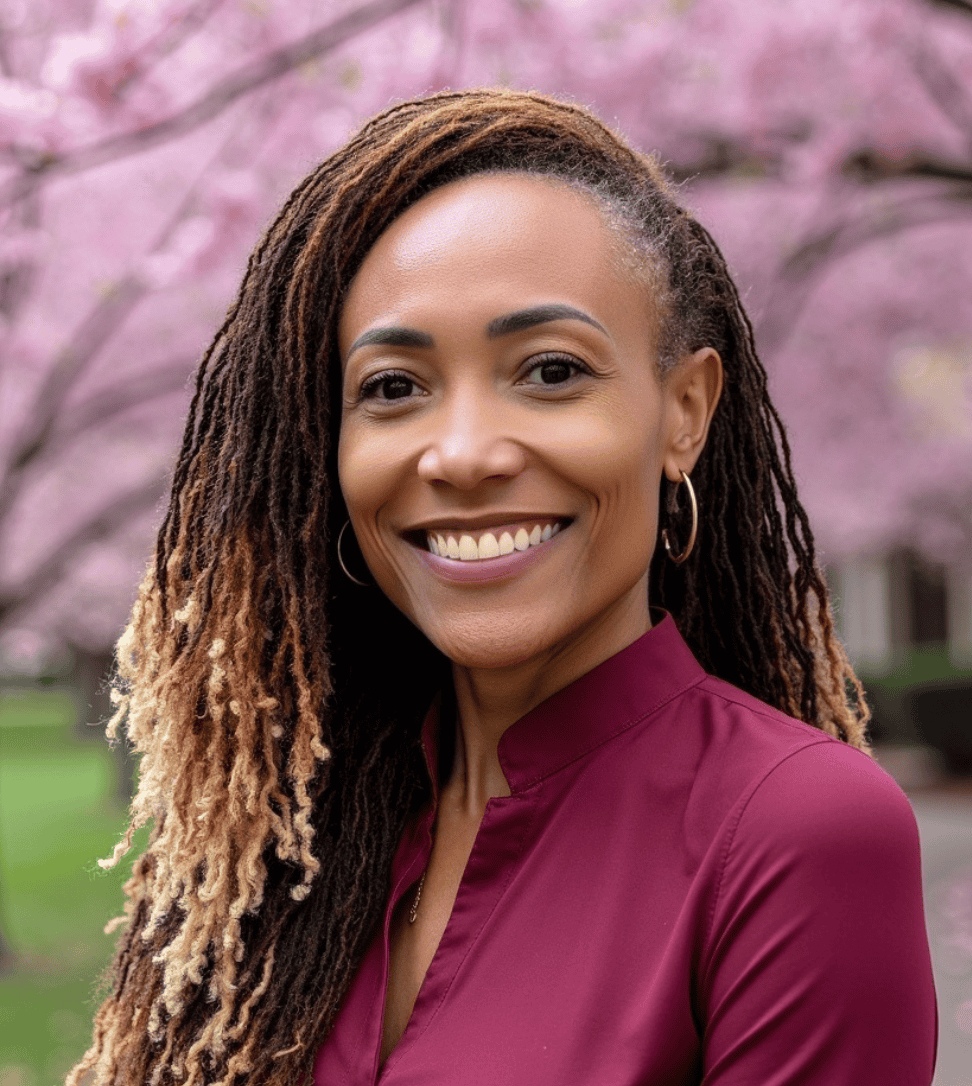
Therapist sitting with client. Client is smiling opposite of the therapist.

Struggling to manage stress, anxiety, or overwhelming emotions? Developing strong coping skills helps you handle challenges effectively. Learn how to cope with difficult situations, build resilience, and create positive responses that support your wellbeing.

When You Need Better Coping Skills:
Recognizing Unhealthy Patterns

Everyone faces stress and challenges, but how you cope makes all the difference. If your current ways of dealing with difficulty aren’t working or are creating more problems, it’s time to develop healthier coping strategies.

Common Signs Your Coping Skills Need Strengthening

When stressful situations arise, do you feel completely overwhelmed, like you have no tools to handle what’s happening? Maybe even small stressors feel insurmountable, or you find yourself frozen, not knowing what to do. This feeling of being unable to cope is often a sign that you haven’t developed a strong toolkit of coping strategies to draw from. Different situations require different coping approaches, and without a variety of skills, you’re limited in how you respond. Learning to cope effectively means building a range of strategies you can use to manage stress across various circumstances. With proper support, you can develop the capacity to adapt to challenges rather than feeling constantly overwhelmed by them.
Do you cope with stress through substance use, overeating, excessive spending, or other behaviors that provide temporary relief but create long-term problems? These maladaptive coping mechanisms might distract you from distress momentarily, but they don’t actually help you deal with the underlying stressor. Avoidance of difficult emotions through unhealthy behaviors is a common response when you haven’t learned healthier ways to cope. Therapy can help you recognize these patterns and replace them with appropriate coping strategies that truly help you feel better without negative consequences. Learning healthy coping skills gives you effective ways to soothe yourself and process emotions without resorting to harmful behaviors.
Are you experiencing headaches, stomach problems, muscle tension, insomnia, or other physical symptoms that seem related to stress? Chronic stress without adequate coping strategies takes a toll on both your physical and emotional wellbeing. You might notice yourself getting sick more often, feeling constantly exhausted, or experiencing anxiety and irritability. These symptoms of stress indicate that your body and mind are overwhelmed and that your current coping mechanisms aren’t sufficient. Developing better coping skills helps you manage stress before it manifests in physical illness or emotional breakdown. Learning stress management techniques like progressive muscle relaxation, mindfulness, and other relaxation strategies can significantly improve your overall health.
Do your emotions feel out of control? Maybe you experience intense negative emotions that last for hours or days, or perhaps you go from calm to extremely upset very quickly. Emotional regulation is a crucial type of coping skill that helps you manage the intensity and duration of feelings. Without healthy coping strategies, emotions can feel overwhelming and unpredictable. Emotion-focused coping techniques teach you how to process, express, and manage feelings in constructive ways. You’ll learn to recognize emotional distress early, use skills to cope with intense feelings, and develop greater emotional stability overall. These skills can help you feel more in control of your inner experience rather than at the mercy of your emotions.
Major life changes like job loss, relationship endings, illness, financial problems, or other significant stressors can be incredibly difficult. If you find yourself unable to function when facing adversity, struggling to get through basic daily tasks, or feeling like you’ll never recover, stronger coping skills could help. Resilience, the capacity to bounce back from difficult circumstances, is built through developing diverse and effective coping strategies. Some people naturally build these skills over time, but many need support learning how to cope with major challenges. Therapy provides a space to develop both reactive coping strategies for current crises and proactive coping approaches that prepare you for future difficulties.
When you’re struggling, do you withdraw from others? Maybe you feel like you have no one to turn to, or perhaps you push away a loved one who tries to help. Social support is one of the most powerful types of coping skills available, yet many people don’t know how to effectively reach out or build supportive relationships. Isolation often makes stress worse, creating a cycle where you feel increasingly alone and overwhelmed. Learning to use social connections as coping resources, communicate needs to others, and accept support when offered are valuable skills. You don’t have to cope with everything alone, and therapy can help you develop healthier patterns of connection and support-seeking.

Additional Indicators You Could Benefit from Developing Coping Skills

Defense mechanisms are unconscious psychological strategies we use to protect ourselves from anxiety and uncomfortable truths. While some are adaptive in certain contexts, others keep you stuck or prevent genuine growth. Common defense mechanisms include denial, projection, rationalization, and displacement. If you find yourself constantly making excuses, blaming others, or refusing to acknowledge problems, these patterns might be limiting your ability to cope effectively with reality. Therapy helps you recognize these automatic defense mechanisms and develop more conscious, healthy coping strategies that allow you to face difficulties directly rather than avoiding or distorting them.
Is work-related stress affecting your sleep, relationships, and overall quality of life? Do you feel unable to separate work concerns from personal time? Without proper coping strategies, professional stress can consume everything. You might need to develop problem-focused coping approaches that help you address workplace challenges directly, as well as emotion-based coping techniques for managing feelings about situations you can’t immediately change. Learning to cope with work stress includes setting boundaries, prioritizing self-care, and developing specific strategies for handling difficult colleagues, heavy workloads, or high-pressure environments. These skills prevent burnout and help you maintain a healthier work-life balance.
Do you rely on just one or two ways to cope, using the same approach regardless of the circumstance? Effective coping involves having multiple strategies and knowing which to use when. Different coping styles work better for different situations. Sometimes you need problem-focused approaches that address the source of stress directly. Other times, emotion-focused strategies that help you process feelings are more appropriate. Certain coping strategies work well for acute stress, while others are better for chronic situations. Building a diverse coping toolkit ensures you’re prepared for whatever life throws at you, with the flexibility to match your response to the specific challenge you face.
When stress hits, do you feel completely powerless? A weak sense of self and low perceived control over your life often stems from underdeveloped coping skills. When you don’t know how to cope effectively, it’s easy to feel like a victim of circumstances rather than an active agent in your own life. Developing coping skills restores this sense of agency, helping you recognize what you can control and teaching you ways to cope with what you cannot. This doesn’t mean you’ll control everything, that’s impossible. But you’ll learn to influence your response, manage your reactions, and take meaningful action even in difficult situations, which significantly improves your sense of empowerment and wellbeing.

If any of these patterns resonate with you, developing stronger coping skills can transform how you handle life’s challenges. 

You don’t have to continue struggling with the same unhelpful responses. Therapy provides the support and guidance to build a comprehensive set of healthy coping strategies.
80 percent Icon

80% of people

who learn and practice healthy coping skills report reduced stress and improved emotional well-being
Evidence Based Icon

Evidence-based

We teach scientifically-supported techniques including CBT, DBT skills, mindfulness, and stress management strategies
Practice Icon showing calendar and repeat symbol

Practice makes progress

Most people notice improvement within 4-6 weeks of consistently applying new coping strategies in daily life

Understanding Coping Skills:
What They Are and Why They Matter

Coping skills are the strategies, techniques, and approaches you use to manage stress, difficult emotions, and challenging situations. Essentially, coping involves how you respond when life gets hard, how you process distress, and what you do to help yourself through difficulties.

Some coping mechanisms develop naturally throughout life, often learned from family, culture, or trial and error. However, not all coping strategies we pick up along the way are healthy or effective. Some provide only temporary relief while creating bigger problems, while others truly help you manage stress and move forward in a healthy way.

There are different types of coping skills, each serving different purposes. Problem-focused coping strategies address the source of stress directly, attempting to change or eliminate the stressor itself. This might include creating a budget to address financial stress, setting boundaries with a difficult person, or seeking a new job if your current work environment is toxic. Emotion-focused coping, on the other hand, helps you manage the emotional response to stress rather than changing the situation.

This includes techniques like deep breathing, journaling, talking to supportive friends, or engaging in relaxation activities. Both types are valuable, and the best approach often depends on whether the stressor is something you can control or change. Internal and external factors influence which coping strategies will be most effective in any given circumstance.

Adaptive vs Maladaptive icon showing scale

Adaptive vs. Maladaptive:
Understanding Your Current Coping Skills

Adaptive coping strategies effectively reduce stress and support long-term wellbeing without creating additional problems.

Examples include exercise, reaching out for social support, problem-solving, and engaging in enjoyable activities. Maladaptive coping may provide temporary relief but creates negative consequences. This includes substance use, excessive avoidance, self-harm, or taking stress out on others.

Understanding your current coping styles helps you recognize patterns to keep and those to change. Many people use a mix of both adaptive and maladaptive strategies, and therapy helps strengthen helpful responses while reducing harmful ones.
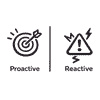
Proactive vs Reactive icon

Proactive vs. Reactive:
When You Apply Coping Strategies

Reactive coping happens in response to stress that’s already occurring. You notice you’re overwhelmed and then apply a coping skill to help manage that distress. This is valuable and necessary.

However, proactive coping involves anticipating potential stressors and preparing in advance. This might include building routines that prevent stress buildup, developing supportive relationships before crisis hits, or practicing stress management regularly rather than only when desperate.

The best coping toolkit includes both reactive strategies for handling current difficulties and proactive approaches that build resilience and reduce the onset of stress before it becomes overwhelming.

Stop working Icon showing chain and emergency triangle over a gear

Why Some Coping Strategies Stop Working

A coping strategy that worked well in one context or at one life stage may become less effective over time. What helped you cope as a child might not serve you as an adult. Strategies effective for one type of stressor might fail with another.

Additionally, overusing any single coping mechanism can reduce its effectiveness. This is why it’s important to regularly appraise how well your coping strategies are working and remain flexible, willing to adjust your approach as circumstances change.

Therapy provides the opportunity to assess your current toolkit and expand it with new skills tailored to your present challenges and life circumstances.

Positive coping skills help you manage stress in ways that improve your mental health and overall wellbeing, while negative or maladaptive strategies might provide immediate relief but ultimately make things worse. Learning the difference and consciously choosing healthier responses is central to developing effective coping abilities.

Building strong coping skills helps you not just survive stressful life events, but maintain functioning and even grow through challenges. This resilience, built through practicing various coping strategies, becomes a lasting resource you carry with you. Mental health professionals can guide you in identifying which coping mechanisms you currently use, recognizing which serve you well and which don’t, and developing new, healthier strategies to use to manage whatever life brings.
Peaceful brain icon showing a brain with a heart

Manage Stress & Anxiety

Learn relaxation techniques, breathing exercises, and grounding strategies to calm your nervous system and reduce overwhelming feelings in the moment.
Face outline icon with heart and two arrows in opposite directions

Replace Unhealthy Patterns

Identify unhelpful coping mechanisms like avoidance, substance use, or emotional eating and replace them with healthier alternatives that truly support your well-being.

How Coping Skills Therapy Helps You Thrive
Coping skills therapy teaches you practical, evidence-based strategies for managing stress, regulating emotions, and navigating life’s challenges effectively. Unlike simply talking about problems, this skills-based approach equips you with specific techniques you can use immediately when facing difficult situations. You’ll build a personalized toolkit of healthy coping strategies that work for your life, replacing unhelpful patterns with tools that actually help you feel better and function better.
Regulate Emotions icon showing person with gear for brain and circle with smile and sad emojis

Regulate Difficult Emotions

Develop skills for identifying, understanding, and managing intense emotions like anger, sadness, or fear without becoming overwhelmed or shutting down.
Barbell Icon

Build Long-Term Resilience

Create lasting habits and mental frameworks that help you handle future challenges with confidence, flexibility, and emotional strength you can rely on.

How Strong Coping Skills Transform Your Life:
The Benefits of Positive Coping

Developing effective coping strategies doesn’t just help you handle current stress, it fundamentally changes your relationship with life’s challenges and builds lasting resilience.

Build Resilience and Handle Adversity Better

Strong coping skills help you build resilience, the ability to bounce back from difficulties and adapt to change. Rather than being devastated by every challenge, you develop confidence in your ability to cope.

This doesn’t mean nothing bothers you, it means you trust yourself to deal with difficult circumstances when they arise. Resilience isn’t something you’re born with, it’s built through learning and practicing effective coping strategies. Each time you successfully navigate a challenge using healthy skills, you strengthen your belief in your own capability.

This growing confidence creates a positive cycle where you feel more equipped to face future stressors, reducing anticipatory anxiety and helping you approach life’s uncertainties with greater calm.

Develop Both Problem-Focused and Emotion-Focused Skills

Comprehensive coping skills training helps you develop both problem-focused approaches for addressing stressors directly and emotion-focused techniques for managing your feelings about situations you can’t immediately change.

Problem-focused coping gives you concrete ways to solve problems, make decisions, and take action that reduces stress at its source. This effective way of addressing challenges prevents small issues from becoming overwhelming crises.

Meanwhile, emotion-focused coping helps you process and manage feelings during difficult times, preventing emotional distress from consuming you. Having both types of skills means you’re prepared for any situation: you can tackle what you can control and cope emotionally with what you cannot.

Replace Unhealthy Patterns with Positive Coping Skills

As you develop healthier coping strategies, you naturally begin replacing maladaptive patterns. Instead of reaching for substances to numb pain, you might practice mindfulness or call a supportive friend.

Rather than avoiding all stressful situations, you learn to face them with effective tools. This shift from negative to positive coping dramatically improves your life quality and mental health. You stop creating additional problems through unhealthy responses and start actually resolving difficulties.

This intervention prevents the downward spiral that often occurs when poor coping mechanisms compound existing stress. Over time, healthy responses become more automatic, requiring less conscious effort as they become your new default way of handling challenges.

Improve Overall Mental Health and Wellbeing

Strong coping skills don’t just help with specific stressors, they improve your baseline mental health. When you know how to cope effectively, anxiety decreases because you’re not constantly worried about being overwhelmed.

Depression often lifts as you take active steps rather than feeling helpless. Your sense of self strengthens as you recognize your own competence. Physical health typically improves as stress-related symptoms diminish. Relationships often get better too, since you’re no longer taking stress out on others or withdrawing when you need connection.

The skills focus extends beyond crisis management to daily life enhancement, helping you feel better overall, not just during difficult times. This comprehensive improvement in wellbeing is perhaps the most valuable benefit of developing strong coping abilities.

Our Approach to Teaching Coping Skills:
Personalized, Evidence-Based Support

At Relationship Counseling Center of California, we help you develop a comprehensive toolkit of coping strategies tailored to your unique needs and challenges.

Assessment of Current Coping Patterns

We begin by understanding how you currently cope with stress and difficult emotions. What strategies do you use? Which work well and which don’t? Are there certain situations where you feel completely unable to cope?

This assessment helps us identify strengths to build on and gaps to fill. We look at both adaptive and maladaptive patterns, internal and external resources, and how your thoughts and behaviors influence your ability to cope.

Understanding your unique coping styles provides the foundation for developing a personalized plan that builds on what’s already working while introducing new, more effective strategies where needed.

Teaching Diverse Types of Coping Skills

We teach various types of coping skills so you have options for different situations. You’ll learn problem-focused strategies for addressing stressors you can control, emotion-focused techniques for managing feelings, and relationship-based skills for seeking and using social support.

We introduce relaxation methods like progressive muscle relaxation and mindfulness practices, active coping approaches like problem-solving and planning, and self-care strategies that prevent stress buildup. This comprehensive approach ensures you have the best approach for whatever circumstance you face, rather than relying on limited strategies that may not fit every situation.

Practice and Real-World Application

Learning about coping skills isn’t enough, you need to practice them until they become natural responses.

We help you apply new strategies to real situations in your life, starting with less challenging scenarios and gradually building to more difficult ones. Between sessions, you’ll practice specific techniques and we’ll discuss what worked, what didn’t, and how to adjust your approach.

This hands-on practice is what makes skills stick. We also help you develop mobilization strategies, learning when and how to deploy different coping strategies effectively. The goal is making these skills automatic so they’re available when you need them most.

Building Both Reactive and Proactive Coping

We focus on developing both reactive skills for handling current stress and proactive approaches that prevent problems from escalating. You’ll learn immediate coping strategies to use when overwhelmed, along with long-term practices that build resilience and reduce stress over time.

This includes creating routines that support mental health, building supportive relationships, setting appropriate boundaries, and developing self-awareness that helps you catch stress early.

By combining reactive and proactive approaches, you become better prepared to handle difficult situations as they arise while also reducing how often you face overwhelming stress in the first place.

Addressing Underlying Issues That Limit Coping

Sometimes poor coping isn’t just about lacking skills, it’s about underlying issues that interfere with your ability to cope effectively.

This might include trauma, depression, anxiety, low self-worth, or unhelpful belief systems. We address these root causes alongside teaching practical skills, ensuring you have both the tools and the psychological foundation to use them effectively.

For example, if you believe you don’t deserve help, you won’t reach out for social support even if you know it’s a healthy coping strategy. By working on both skills and underlying barriers, we create more lasting change.

Creating Your Personalized Coping Toolkit

Everyone’s toolkit looks different based on personality, preferences, life circumstances, and specific challenges faced. We work together to identify which certain coping strategies resonate with you and fit your life.

Some people benefit most from physical activity, others from creative expression or social connection. We help you discover what truly helps you feel better and cope effectively, then organize these into an accessible toolkit you can draw from anytime.

This personalized collection of strategies becomes your go-to resource, with you knowing exactly which tool to reach for in any given situation based on what you need and what works best for you.

Who Benefits from Developing Better Coping Skills

Learning healthier ways to cope helps people facing a wide range of challenges. If you’re struggling to manage stress, emotions, or difficult situations, coping skills training can help.

Chronic or overwhelming stress

Anxiety and worry

Depression and low mood

Difficulty regulating emotions

Recent trauma or major life changes

Work-related stress and burnout

Relationship conflicts and challenges

Financial problems or job loss

Chronic illness or pain

Unhealthy coping patterns (substance use, etc.)

Feeling overwhelmed by daily life

Lack of social support

Would Developing Better Coping Skills Help You?

If you’re reading this page, there’s a good chance developing stronger coping skills could benefit you. Perhaps you recognize that your current ways of handling stress aren’t working well, or maybe you simply want to be better prepared for future challenges. You don’t need to be in crisis to benefit from learning to cope more effectively. Many people seek support precisely because they want to strengthen their abilities before facing major stressors, understanding that proactive coping is the best approach.

Strong coping skills benefit everyone, regardless of specific diagnosis or situation. Whether you’re dealing with a particular mental health condition or simply navigating the normal stress of life, having a robust set of strategies helps you manage whatever comes your way. The skills you develop become lifelong resources, supporting you through both everyday challenges and major life transitions.

The best way to find out if coping skills therapy is right for you is to schedule a consultation. We’ll discuss your current challenges, explore what you’re hoping to improve, and talk about how developing new coping strategies could help you feel better and function more effectively. There’s no pressure or judgment, just a conversation about building the skills you need to thrive.

Not sure if this is right for you?
That’s completely normal.
Schedule a
free consultation
to talk through your specific situation with one of our therapists.

What to Expect: Your Journey to Better Coping Strategies

Understanding the process of developing coping skills helps you know what to expect and how to make the most of therapy.
Step 1: Free Consultation (10 minutes)
Your journey begins with a free phone consultation where we’ll discuss what brings you to therapy and what you hope to achieve. We’ll talk about the challenges you’re facing, how you currently cope with stress, and what you’d like to be able to handle differently. This conversation helps us determine if developing coping skills is the right focus for you and whether our approach fits your needs. You can ask any questions about the process, share concerns, and get a sense of how we work. There’s no obligation to continue, just an open conversation about whether we’re a good match.
Step 2: Comprehensive Assessment of Your Current Coping
In your first full session, we’ll conduct a thorough assessment of how you currently cope with various stressors. We’ll explore what strategies you already use, which work well and which don’t, what happens when you feel overwhelmed, and what patterns you’ve noticed in your responses to stress. We’ll also identify specific situations where you struggle to cope effectively and discuss your goals for what you’d like to be able to handle better. This assessment provides the foundation for creating a personalized plan. By understanding your unique situation, strengths, and challenges, we can focus on developing the coping strategies that will be most helpful for you.
Step 3: Learning and Practicing New Coping Skills
The bulk of therapy involves learning new coping strategies and practicing them both in session and in your daily life. Each session typically introduces or deepens work on specific skills, such as relaxation techniques one week, problem-solving strategies the next, and emotion regulation skills after that. We’ll teach you the rationale behind each skill, demonstrate how to use it, and have you practice in session. Then you’ll apply it to real situations between appointments, returning to discuss what worked and what was challenging. This cycle of learning, practicing, and refining continues as you build a comprehensive toolkit. You’re actively developing these skills, not just talking about stress, which creates real, practical change.
Step 4: Integration and Real-World Application
As you develop multiple coping strategies, the focus shifts to integration: learning when to use which skill and how to combine different approaches for complex situations. You’ll practice deploying your coping toolkit in increasingly challenging circumstances, building confidence in your ability to cope with whatever arises. We’ll also work on making these skills more automatic, so they become your natural response rather than something you have to consciously remember to do. This integration phase is crucial for ensuring skills transfer from the therapy room to your real life, becoming reliable resources you can count on when facing actual stressors.
Step 5: Building Long-Term Resilience
As therapy progresses, we focus on building resilience that extends beyond specific coping techniques. This includes developing a stronger sense of self, improving your capacity to adapt to change, building supportive relationships, and creating lifestyle habits that prevent stress buildup. We’ll review your progress, identify areas where you’ve grown, and discuss strategies for maintaining these gains after therapy ends. Many people find that the coping skills they develop continue serving them long after completing treatment, providing tools they use throughout their lives. When you feel confident in your ability to cope with various stressors and have a solid toolkit to draw from, we’ll discuss transitioning out of regular therapy, with the option to return for booster sessions if needed.

Timeline and Duration:
How Long Does Coping Skills Therapy Take?

The duration varies based on several factors: the number and severity of stressors you’re facing, how underdeveloped your current coping strategies are, whether there are underlying issues (like trauma or depression) that need addressing, and how actively you practice skills between sessions.

Some people see significant improvement in their ability to cope within 8-12 sessions, while others benefit from longer-term support as they work through more complex challenges or deeply ingrained patterns.

Many people notice some improvement relatively quickly, feeling more hopeful and experiencing success with initial coping strategies within the first few weeks. However, building a comprehensive toolkit and making new responses automatic takes more time and consistent practice. The goal isn’t just short-term relief but lasting change in how you handle life’s challenges.

We’ll regularly assess progress together, adjusting our approach if needed. Coping skills therapy is goal-oriented, focusing on specific abilities you want to develop. When you feel confident in your coping capacity and equipped with strategies that work for you, we’ll discuss completing therapy. The timeline is flexible and based on your unique needs and progress.

Common Questions About Developing Coping Skills

Coping skills are the strategies you use to manage stress, difficult emotions, and challenging situations. They’re essentially your toolkit for dealing with life’s difficulties. Good coping skills help you manage stress effectively, reduce distress, maintain functioning during hard times, and recover from setbacks. They can be mental (like reframing thoughts), emotional (like processing feelings), behavioral (like taking action), social (like seeking support), or physical (like using relaxation techniques). The key is having multiple strategies you can draw from depending on what you’re facing. Different coping approaches work better for different situations, which is why building a diverse toolkit is so important for handling life’s various challenges.
“Just dealing with it” often means enduring stress without addressing it, pushing through without support, or using whatever default response happens automatically, whether healthy or not. Intentional coping skills, by contrast, are conscious strategies you choose and apply deliberately. Instead of just surviving, you’re actively managing stress in ways that help you feel better and maintain wellbeing. Coping skills also include both reactive responses (what to do when stress hits) and proactive approaches (how to prevent or reduce stress before it becomes overwhelming). This intentional, strategic approach to handling difficulties is what makes coping skills so much more effective than just “toughing it out” or hoping stress will go away on its own.
Absolutely. While some people naturally develop healthy coping strategies through life experience or family modeling, coping skills can definitely be learned at any age. Research consistently shows that teaching specific coping strategies improves people’s ability to handle stress and reduces symptoms of anxiety, depression, and other mental health concerns. Therapy provides structured instruction in various coping techniques, helps you identify which strategies work best for you, and gives you opportunities to practice these skills in a supportive environment. The key is active learning and consistent practice. Just knowing about coping skills isn’t enough; you need to actually use them repeatedly until they become natural responses. With proper guidance and commitment to practicing, virtually anyone can develop stronger coping abilities.
Many people develop maladaptive coping mechanisms like substance use, overeating, excessive avoidance, or taking stress out on others. These strategies often develop because they provide some immediate relief, even though they create more problems long-term. The good news is that unhealthy coping patterns can be changed. Therapy helps you understand what function these strategies serve (what are they helping you avoid or achieve?), then teaches you healthier alternatives that meet the same needs without negative consequences. As you develop and practice positive coping skills, the unhealthy patterns naturally decrease because you no longer need them. You have better options available. This process takes time and patience, but it’s entirely possible to replace maladaptive strategies with healthy ones that truly support your wellbeing.
Not exactly, and that’s not really the goal. Stress is a normal part of life, and some level of challenge is actually healthy and promotes growth. The purpose of developing coping skills isn’t to eliminate all stress, but to manage it effectively so it doesn’t overwhelm you or damage your health and relationships. Strong coping abilities help you navigate stressful situations without falling apart, recover more quickly when difficulties arise, and maintain functioning even during hard times. You’ll likely still experience stress, but your relationship with it changes. Instead of feeling powerless and overwhelmed, you’ll have confidence in your ability to cope, which itself reduces the intensity of stress. Think of coping skills as building resilience, not building an impenetrable shield against all difficulty.
Part of developing coping skills is discovering what works best for you personally. Some people find physical activity incredibly helpful for stress relief, while others prefer quiet reflection or social connection. What matters is finding strategies that fit your personality, preferences, and life circumstances. In therapy, we’ll explore various types of coping skills and you’ll experiment to see which resonate. We’ll also consider which strategies work best for different situations you face. Over time, you’ll develop self-awareness about which tools in your toolkit to reach for in any given circumstance. This personalized approach ensures you’re not trying to force yourself into coping strategies that don’t fit you, but rather building a collection of techniques that genuinely help you manage stress in ways that feel authentic and sustainable.
While coping skills aren’t a guarantee against mental health challenges, they do significantly reduce risk and improve outcomes when difficulties arise. Strong coping abilities help you manage stress before it accumulates to overwhelming levels, process emotions rather than suppressing them, address problems before they escalate, and recover more quickly from setbacks. All of this provides protective effects against developing conditions like anxiety disorders and depression. For people who already have mental health conditions, good coping skills are an essential component of managing symptoms and preventing relapse. They complement other treatments like therapy or medication. Essentially, coping skills strengthen your overall psychological resilience, making you more robust in the face of life’s inevitable stressors and better equipped to maintain mental health even during difficult times.
Problem-focused coping strategies aim to change or eliminate the source of stress itself. This might include creating a plan to address a problem, learning new skills to handle a challenge, setting boundaries with difficult people, or making decisions that reduce stressors. This type of coping is most effective when you have some control over the situation. Emotion-focused coping, on the other hand, helps you manage your emotional response to stress rather than changing the situation itself. This includes techniques like relaxation, reframing thoughts, seeking emotional support, or engaging in activities that soothe you. This approach works well when you can’t control the stressor but need to cope with your feelings about it. The best coping toolkit includes both types because life presents both kinds of situations: some where you can take action to fix problems and others where you need to manage your emotions about things you cannot change.
You can learn basic coping techniques relatively quickly, often in just a few sessions. However, making these strategies automatic and building a comprehensive toolkit takes more time and consistent practice. Some people notice improvement in their ability to cope within a few weeks as they begin applying new strategies to real situations. More significant change in ingrained patterns and automatic responses typically takes several months of regular practice. The timeline depends on several factors: how developed your current coping abilities are, how complex your stressors are, whether there are underlying issues affecting your coping capacity, and how actively you practice skills between sessions. The key is consistent effort. The more you practice new coping strategies, the more natural they become, eventually requiring little conscious thought. Most people find that even relatively brief work on coping skills produces benefits that last well beyond therapy.
We understand that the cost of therapy is an important consideration. We accept most major insurance companies. You can check to see if we accept your insurance here. Many insurance plans do cover therapy. We also accept cash payments for clients who do not have or do not want to use insurance.

Ready to Strengthen Your Relationship Through Couples Therapy?

Your relationship deserves support, and seeking help is a sign of strength and commitment. Whether you’re dealing with immediate challenges or want to deepen an already strong partnership, couples counseling can offer the tools, insights, and support you need. We provide therapy that honors your unique relationship while helping you build communication skills, deepen intimacy, and create lasting positive change.

Your first step is simple: schedule a free consultation. We’ll discuss what’s happening in your relationship, answer your questions about couples therapy services, and help you determine if working together feels right. No pressure, just an open conversation about your relationship and your options.

Complimentary 10-minute consultation. Just a conversation to see if we fit your needs.

All inquiries are confidential, and we typically respond within 2-3 business days.

Contact Us By Email

Fill out the form below and we’ll get back to you within 2-3 business days.
All inquiries are confidential.

Crisis Support:

If you’re experiencing a mental health crisis, please call 988 (Suicide & Crisis Lifeline) or go to your nearest emergency room.
Our practice is not equipped for crisis intervention.